Watercolor Pumpkin PNG: Sublimation for Embroidery
First Impressions: Translating Paint to Thread
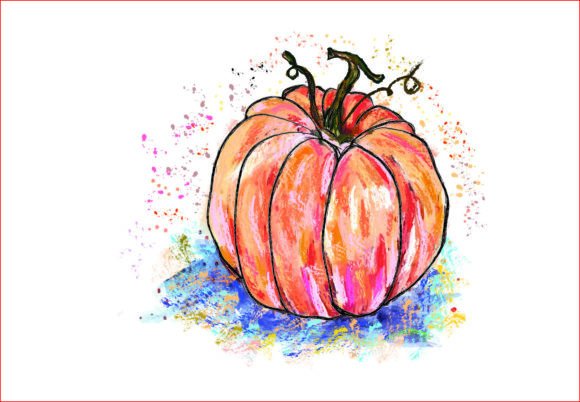
When I first opened the Watercolor Pumpkin PNG, Sublimation file, my immediate reaction was one of cautious optimism. As an experienced embroidery designer, I have learned that what looks beautiful on a screen does not always translate seamlessly to fabric. Watercolor illustrations possess a softness, gradient blending, and organic edge definition that can be notoriously difficult to replicate with thread. However, this specific digital asset caught my attention because of its balanced composition. The pumpkin shape is distinct without being overly cartoonish, and the color palette suggests a warmth that fits perfectly into autumn collections.
For those of us in the craft business or running an Etsy shop, the visual personality of this design leans toward "modern farmhouse" and "cozy boutique." It avoids the harsh lines of traditional clip art, offering instead a hand-painted aesthetic that customers currently crave. When evaluating this as a potential machine embroidery design source, I am looking at how the watercolor edges will interact with stitch types. Will the gradients require excessive density? Can the soft edges be achieved with running stitches, or will they need complex fill patterns? This initial assessment is crucial before committing to digitizing or purchasing a pre-digitized version based on this artwork.
Real-World Application: The Custom Sweatshirt Test
To truly evaluate the viability of the Watercolor Pumpkin PNG, Sublimation, I mentally placed it onto a real project: a custom embroidered sweatshirt for a small shop merchandise drop. Sweatshirts are a staple for holiday embroidery, but the fleece texture presents unique challenges. In this scenario, I envisioned the pumpkin centered on the chest, approximately four inches wide, paired with a simple serif font below.
In practice, this design works exceptionally well for sweatshirt embroidery because the organic nature of watercolor forgives minor registration shifts that often occur on thick fabrics. Unlike geometric logos where a 1mm gap ruins the illusion, the painterly style of this pumpkin allows for a more relaxed stitch tolerance. For a personalized gift, such as a "Mama's First Fall" crewneck, this illustration provides enough visual weight to stand alone without needing heavy embellishments. If you are creating custom apparel, this design serves as a versatile anchor piece that elevates the perceived value of the garment beyond basic seasonal wear.
Navigating Fabric Limitations and Hoop Sizes
While the aesthetic is forgiving, the technical execution requires careful planning. Not every substrate is suitable for translating the Watercolor Pumpkin PNG, Sublimation into stitches. I would advise extreme caution when attempting this design on performance wear or thin, stretchy knits. The complexity required to mimic watercolor shading often results in higher stitch density. On lightweight fabric, this leads to puckering, distortion, and a stiff hand-feel that customers dislike.
Furthermore, consider your hoop size limitations. Watercolor details get lost when scaled down too small. If you are working with a 4x4 hoop, you may need to simplify the design significantly, perhaps removing internal shading and relying on outline and flat fills. For baby embroidery items like onesies or bibs, ensure the design remains light enough to be comfortable against sensitive skin. Conversely, for home decor like tea towels or pillow covers, you have the freedom to utilize larger hoop sizes that preserve the intricate brushstroke effects. Always match the design complexity to the stability of your base material.
Critical Considerations for Dark and Textured Fabrics
- Dark Fabrics: Watercolor relies on transparency and light. Stitching this on black or navy requires a white underlay base, which adds significant bulk. Test first to ensure the design doesn't feel like armor.
- Textured Surfaces: On terry cloth or minky, fine watercolor details will sink into the pile. Use a water-soluble topping to keep stitches visible and crisp.
- Curved Items: Caps and curved tote bags distort flat images. This pumpkin’s round shape actually adapts better to caps than square designs, but placement must be dead center to avoid warping.
- Washability: High-density fill stitches used to create color blending can weaken fabric over time. For items requiring frequent washing, reduce density and accept a slightly less vibrant color transition.
Commercial Value and Brand Consistency
For Etsy sellers and small shop product creators, consistency is key to building brand recognition. The Watercolor Pumpkin PNG, Sublimation offers a cohesive style that can be extended across multiple products. Imagine pairing this pumpkin with matching watercolor leaves or gourds for a complete collection. This visual continuity helps customers trust your brand and encourages multi-item purchases.
From a commercial standpoint, this illustration bridges the gap between digital and physical products. While primarily reviewed here for embroidery, the fact that it is a sublimation-ready PNG means you can offer matching printed mugs or tumblers alongside your embroidered patch or apparel. This versatility maximizes the ROI on your design assets. However, always verify licensing. Ensure you have the right to use this specific digital embroidery file or illustration for commercial finished products before listing them for sale. Professionalism isn't just about stitch quality; it's about respecting intellectual property and delivering a legal, high-quality handmade product.
Designer Notes: Technical Best Practices
Before you load the Watercolor Pumpkin PNG, Sublimation into your machine or digitizing software, run through this practical checklist. These steps separate hobbyist results from professional-grade output.
- Test on Scrap Fabric First: Never assume settings will transfer perfectly. Stitch out the design on the exact fabric you intend to use for the final project. Check for gaps, thread breaks, and stabilization adequacy.
- Analyze Thread Color Contrast: Watercolor blends often require many thread changes. Verify that your chosen thread colors actually blend optically. Sometimes using two similar shades creates a muddy look rather than a gradient.
- Review Stitch Density: Open the file in your editor. If areas exceed 0.8mm density, manually reduce it. Your needle and fabric will thank you, and the drape will remain natural.
- Mockup in Black and White: View the design without color. Does the structure hold up? If the pumpkin disappears without color variation, the digitizing lacks structural integrity.
- Stabilizer Selection: Match stabilizer weight to design density. For this watercolor style, a medium-weight cutaway usually supports the fill stitches better than tear-away, preventing distortion during the long stitch sequences.
- Check Small Details: Inspect any tiny stems or leaf veins. If they are thinner than 1mm satin stitch, convert them to running stitch or remove them entirely to prevent needle breaks and fraying.
Final Verdict for Makers
The Watercolor Pumpkin PNG, Sublimation represents a strong contender for autumn production schedules, provided it is treated with technical respect. Its strength lies in its emotional resonance and modern aesthetic, making it ideal for holiday gifts, nursery decor, and boutique apparel. However, success depends entirely on your willingness to adapt the design to the physical constraints of embroidery.
Do not treat this merely as a pretty picture; treat it as a blueprint for textile construction. Whether you are creating a tote bag design for a fall market or a personalized baby blanket, let the fabric guide your interpretation of the art. When executed correctly, this design delivers the handmade warmth and professional polish that discerning customers seek. Take the time to test, adjust, and refine, and this watercolor pumpkin will become a reliable asset in your creative arsenal.