Watercolor Clip Art “Halloween Cats” for Embroidery
As a professional embroidery designer and product reviewer, I approach every new asset with a critical eye. When evaluating digital illustrations for needlework, the question is never just "is this cute?" but rather "will this translate into stitches without frustrating my machine or disappointing my customer?" After reviewing the Watercolor Clip Art “Halloween Cats” collection, I see significant potential for seasonal projects, provided you understand how to adapt these painterly Illustrations for textile applications. This review breaks down exactly how this artwork performs when moved from screen to fabric.
Translating Painterly Aesthetics to Thread
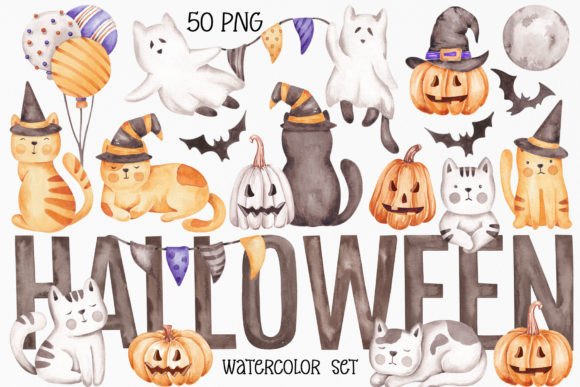
The immediate appeal of Watercolor Clip Art “Halloween Cats” lies in its soft, organic edges and whimsical character. Unlike rigid vector art, watercolor styles offer a vintage, handmade feel that resonates deeply with Etsy sellers and boutique owners. However, as an embroidery file source, this aesthetic presents unique challenges. Watercolor relies on transparency and color blending, whereas machine embroidery relies on layering and coverage.
When digitizing or selecting a pre-digitized version of these cats, pay close attention to how the gradients are handled. If the design uses excessive fill stitch density to mimic paint washes, it risks becoming bulletproof and stiff. For a successful sweatshirt embroidery or tote bag design, I look for interpretations that use running stitch outlines to define the cat’s shape while using lighter fill stitches or applique techniques for the body. This preserves the drape of the garment and maintains the delicate mood of the original illustration. The visual personality here is nostalgic and cozy, making it ideal for nursery decor, holiday gifts, and personalized baby embroidery rather than high-contrast corporate branding.
Real-World Application: The Custom Sweatshirt Test
To truly judge the viability of Watercolor Clip Art “Halloween Cats,” I mentally placed it in a real production scenario: creating a custom apparel line for a small shop product launch. Imagine preparing a cream-colored French terry sweatshirt for an autumn collection. The goal is a finished product that looks artisanal, not mass-produced.
In this context, the design shines because the muted tones typical of watercolor cats complement neutral fabrics beautifully. However, practical judgment is required. On a textured fabric like French terry, fine details can get lost. I would advise against using the smallest variation of this clip art for apparel. Instead, opt for a larger hoop size to allow the stitching to breathe. If the design includes tiny facial features or intricate fur textures, verify that the digitizer has used adequate underlay. Without proper stabilizer and underlay, those charming whiskers could sink into the fleece, turning a premium handmade product into a messy disappointment. For this specific project, pairing the cat illustration with simple block lettering creates a balanced, sellable item that justifies a higher price point through perceived value and professional execution.
Navigating Fabric Limitations and Hoop Constraints
Not all substrates play nicely with detailed Illustrations. While Watercolor Clip Art “Halloween Cats” is versatile, you must be strategic about placement. Here is where caution is necessary:
- Stretchy Knits: If applying this to ribbed knit or lightweight jersey, the stitch density must be low. Heavy watercolor-style fills will cause tunneling or fabric distortion. Always test on scrap fabric first.
- Dark Fabrics: Watercolor art often utilizes white space as a color. On black or navy garments, ensure the embroidery file includes a white underlay base or is specifically redigitized for dark backgrounds; otherwise, the design will disappear.
- Curved Surfaces: Be wary of using large, flat versions of this design on caps. The curvature of a hat can distort the proportions of the cat’s face. Look for vertically oriented variations or resize carefully.
- Frequent Washing: For kitchen towels or baby items, avoid designs with long satin stitch borders. Running stitch or bean stitch outlines hold up better to laundering and maintain the sketchy watercolor vibe longer.
Commercial Viability and Customer Trust
For creative entrepreneurs and commercial embroidery businesses, consistency builds trust. Using Watercolor Clip Art “Halloween Cats” effectively means ensuring the final output matches the digital mockup. Customers buying personalized gifts expect the charm of the illustration to survive the manufacturing process. If the thread colors clash or the registration is off due to poor digitizing of complex shapes, buyer engagement drops.
This artwork category excels in niche markets. It signals "handmade" and "thoughtful," which drives sales for craft business owners during the Q4 rush. However, professionalism dictates that you verify licensing before selling. Ensure your purchase of these design assets includes commercial rights for physical products. Furthermore, if you are selling digital embroidery files derived from this art, confirm whether modification and resale of the digitized format are permitted. Ethical sourcing protects your brand reputation.
Essential Designer Notes for Success
Before loading this design into your machine for a client order or shop stock, run through this practical checklist to ensure quality:
- Contrast Check: View the design in black and white. If the cat loses definition without color, the digitizing relies too heavily on hue rather than stitch structure. This is risky for tone-on-tone embroidery.
- Stabilizer Selection: Match the stabilizer to the fabric texture, not just the design size. Watercolor styles often have variable density; cutaway stabilizer is usually safer for apparel to prevent puckering around lighter fill areas.
- Thread Color Matching: Do not rely solely on the chart included with the digital embroidery file. Watercolor effects require nuanced shading. Physically compare thread colors to the original illustration under natural light to capture the intended mood.
- Mockup Accuracy: When creating printable mockups for Etsy listings, overlay the actual stitch-out photo rather than just the digital art. This manages customer expectations regarding texture and sheen.
- Detail Inspection: Zoom in on the corners and curves. Jagged edges in the software will result in jagged stitches. Smooth bezier curves are essential for maintaining the fluid look of watercolor art in thread.
Elevating Seasonal Merchandise with Intention
Watercolor Clip Art “Halloween Cats” offers a refreshing alternative to standard, cartoonish Halloween motifs. It brings a level of sophistication suitable for adult apparel, home decor, and upscale nursery items. As an experienced reviewer, my verdict is positive, but conditional. The success of this design depends entirely on respecting the translation between medium and material.
When used correctly, it transforms a basic embroidered patch or tea towel into a storytelling piece that connects emotionally with buyers. Just remember that in our industry, the most beautiful digital file is only as good as the stitch-out on the final product. Test rigorously, stabilize appropriately, and let the inherent charm of these Illustrations elevate your seasonal catalog with confidence and craftsmanship.