Bolivia Watercolor Poster: An Embroidery Review
When evaluating a new digital asset for commercial or personal use, the transition from screen to stitch is where the real test begins. As a designer who regularly sources graphics for custom apparel and boutique merchandise, I approached the Bolivia Watercolor Poster with a critical eye. In the category of Illustrations, watercolor styles are notoriously difficult to translate into machine embroidery design because they rely on soft gradients and organic edges that do not naturally exist in thread. However, when executed correctly, this aesthetic offers a premium, artistic value that standard vector art cannot match. My assessment focuses entirely on how this specific illustration performs as a foundation for tangible, stitched goods.
First Impressions and Visual Translation
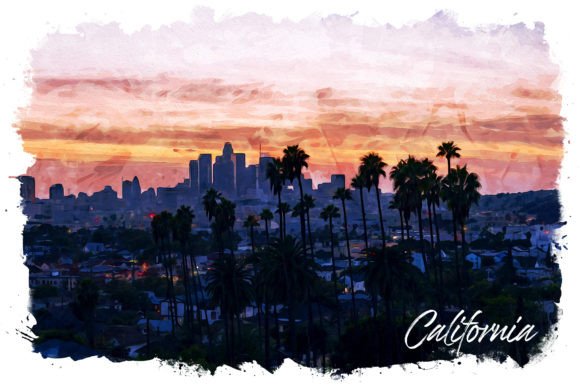
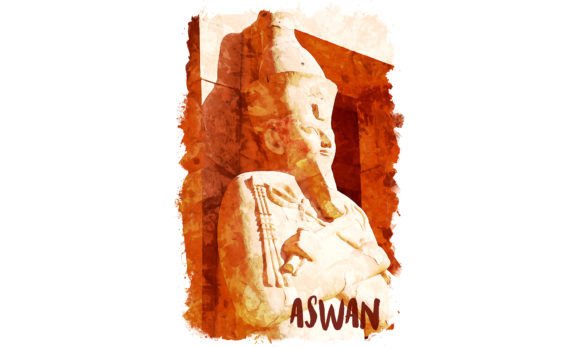
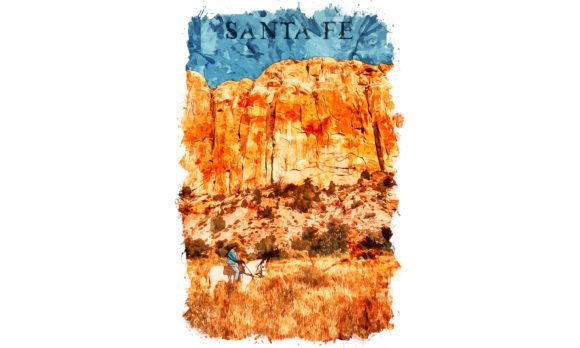
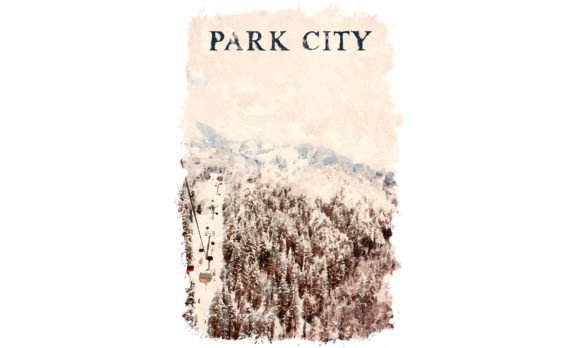
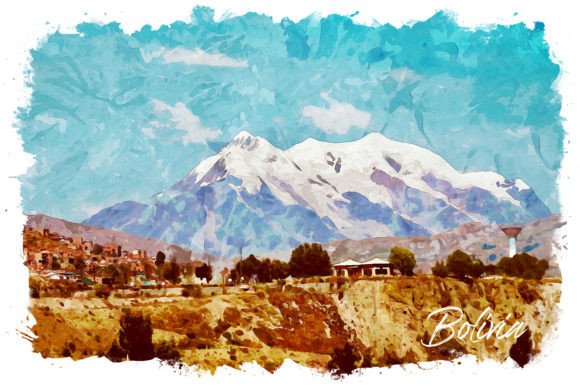
The Bolivia Watercolor Poster immediately strikes a balance between cultural vibrancy and artistic softness. Visually, it carries a mood that is both nostalgic and contemporary, making it versatile for various demographics. For an embroidery project, the primary concern is always edge definition. Watercolor illustrations often have bleeding edges that look beautiful on paper but can appear messy if digitized without proper underlay or boundary definition. This design possesses enough structural integrity in its color blocking to suggest it will digitize well, provided the digitizer respects the original flow rather than forcing rigid satin stitch borders where they do not belong.
The layout feels intentionally composed for central placement. Unlike busy patterns that get lost when cropped, this illustration maintains its focal point even if resized. This is crucial for craft business owners who need one master file to adapt across multiple products. The visual personality suggests it would resonate strongly with customers looking for travel-inspired decor, cultural appreciation gifts, or bohemian-style accessories. It avoids the clip-art stiffness that plagues many digital embroidery file options, offering instead a hand-painted authenticity that elevates the perceived value of the finished product.
Real-World Application: The Tote Bag Test
To truly judge the viability of the Bolivia Watercolor Poster, I mentally prototyped it for a high-use item: a natural canvas tote bag. Tote bags are a staple for Etsy sellers and small shop products because they offer a large, flat stitching area that showcases detail. Canvas has a distinct fabric texture that interacts uniquely with thread. A smooth fill stitch might sink into the weave, while a textured fill stitch can mimic the brushstrokes of the original watercolor.
In this scenario, the design serves as more than just decoration; it acts as the primary selling point. For a handmade product like this, the stitching must withstand friction and washing. I envision using a combination of running stitch outlines to define the softer watercolor edges, paired with varying densities of fill stitch to create depth. If the Bolivia Watercolor Poster were applied here, the result would likely be a boutique-grade accessory that justifies a higher price point than generic embroidered totes. The key to success in this application lies in stabilizer choice; a heavy cutaway is non-negotiable to prevent the canvas from puckering under the weight of the multicolor thread changes required to replicate the watercolor effect.
Navigating Fabric Limitations and Hoop Constraints
While the design shows immense promise, practical experience dictates caution regarding where it should not be used. Not every substrate is friendly to complex illustrative embroidery. I would advise against using this design on highly stretchy fabrics like ribbed knits or thin performance wear unless significant modifications are made. The density required to achieve a watercolor look can cause distortion on unstable fabrics, leading to a warped finished product that disappoints customers.
Furthermore, consider the hoop size limitations. Detailed illustrations lose their charm when shrunk below a certain threshold. If you are working with a 4x4 hoop, verify that the smallest elements of the Bolivia Watercolor Poster remain distinct. Tiny lettering or intricate floral details may turn into indistinguishable blobs of thread at reduced sizes. Similarly, dark fabrics present a challenge. Watercolor aesthetics rely on light passing through layers of pigment; on black fabric, you must stitch a white underlay base first, which significantly increases stitch count and density. Always test on scrap fabric matching your final project weight before committing to a full production run.
Critical Considerations for Specific Items
- Baby Embroidery: Ensure the back of the design is smooth. High-density watercolor fills can be abrasive against sensitive skin. Use a soft backing or cover-a-stitch if making onesies or blankets.
- Caps and Curved Surfaces: This illustration likely requires flattening or re-digitizing for caps. The curvature of a hat distorts horizontal lines, potentially ruining the perspective of a poster-style layout.
- Kitchen Textiles: Tea towels and aprons face frequent laundering. Verify that the thread colors specified are colorfast and that the stitch density allows the fabric to drape naturally rather than becoming stiff.
- Patches: If converting this into an embroidered patch, ensure there is a clear merrow border or defined edge. Watercolor edges are too soft to serve as their own boundary on a patch.
Commercial Value and Brand Consistency
For creative entrepreneurs and digital product sellers, consistency is currency. The Bolivia Watercolor Poster offers a cohesive aesthetic that can anchor a collection. When listing items on platforms like Etsy, customers trust shops that demonstrate professional execution. Using a high-quality illustration as the basis for your work signals attention to detail. However, this only works if the embroidery reflects the quality of the source art. Sloppy registration or poor thread tension will undermine the beauty of the original illustration.
From a marketing perspective, this design supports excellent printable mockup creation. Because the artwork is visually striking, it photographs well even in digital previews. This helps bridge the gap between browsing and buying. For those selling physical goods, the unique nature of this illustration aids in brand recognition. It distinguishes your sweatshirt embroidery or nursery decor from mass-produced alternatives. Just remember to confirm licensing terms before scaling up; ensure you have the rights to use this specific digital embroidery file for commercial sale, especially if purchasing from a third-party marketplace.
Designer Notes for Successful Execution
Before loading the Bolivia Watercolor Poster into your machine, take these practical steps to ensure professional results. First, audit the thread colors. Watercolor designs often require dozens of shades to achieve gradient effects. Check if your machine can handle the color changes efficiently, or if you need to consolidate similar shades to reduce production time without sacrificing visual fidelity. Second, review the stitch density map. Areas that look solid on screen might be sparse in reality. Adjust pull compensation settings based on your specific fabric type; denim pulls differently than linen.
Always run a sew-out on the exact material you intend to sell. A test on felt does not predict performance on silk. Inspect the alignment marks closely; complex illustrations fail quickly if hooping is slightly off. Finally, consider the end user. Will this personalized gift be washed? Will this custom apparel be worn daily? Design decisions should prioritize durability alongside aesthetics. By treating the Bolivia Watercolor Poster as a technical blueprint rather than just a pretty picture, you transform a digital download into a reliable, profitable asset for your embroidery business. The intersection of artistic vision and mechanical precision is where true value is created, and this illustration provides a strong foundation for that work.