Suzhou Asia Watercolor: An Embroidery Design Review
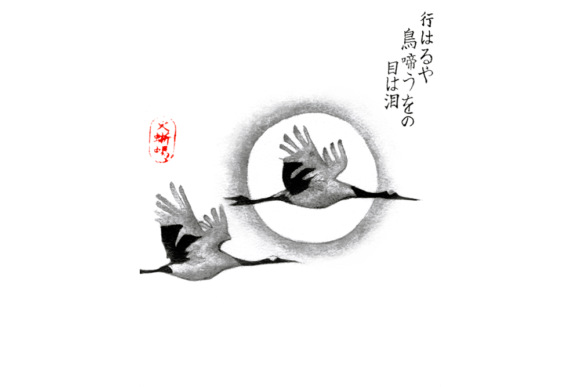
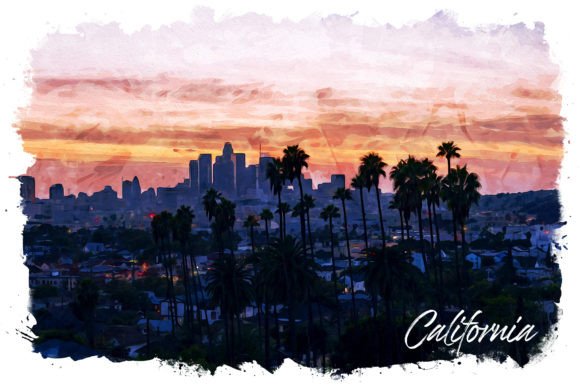
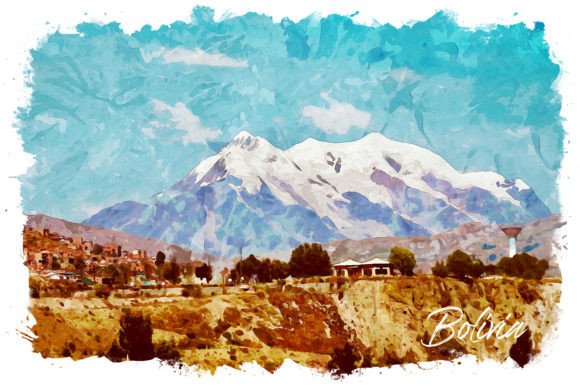
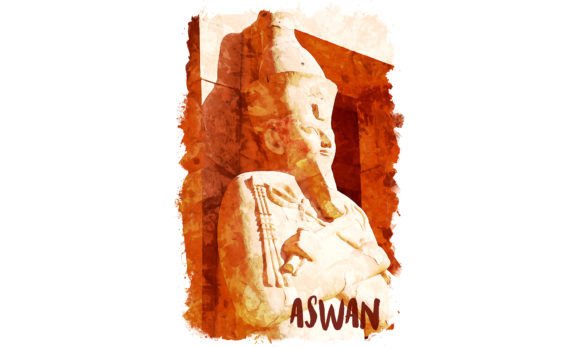
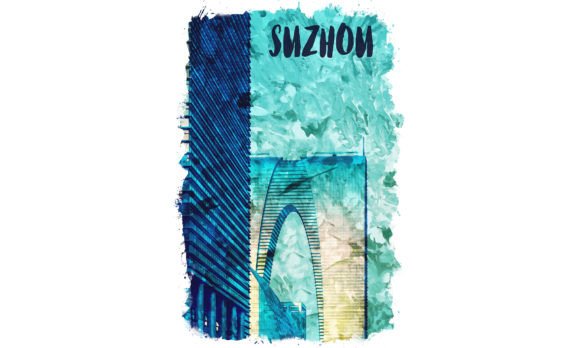
When I first loaded the Suzhou Asia Watercolor machine embroidery design into my software, I wasn't just looking at stitch paths; I was evaluating a mood. As designers and makers, we know that digital illustrations often lose their soul when translated into thread. However, this specific design captures the ethereal, fluid nature of traditional Asian watercolor painting while maintaining the structural integrity required for actual stitching. It sits firmly in the Illustrations category, but unlike many artistic files that prioritize screen viewing over needle penetration, this design feels engineered for the hoop.
My immediate impression was one of delicate balance. The layout avoids the heavy, bulletproof density that plagues many digitized paintings. Instead, it utilizes a sophisticated interplay of fill stitches and running stitches to mimic brush strokes. For those of us running a craft business or managing an Etsy shop, this distinction matters. A design that looks like a painting on screen but stitches out like a plastic shield on fabric is unsellable. Suzhou Asia Watercolor promises a softer hand, which is critical for high-end custom apparel and personalized gifts where tactile quality equals customer trust.
Real-World Application: The Linen Tote Test
To truly judge this embroidery file, I moved past the simulation screen and set up a real-world scenario. I chose a natural linen tote bag as my test canvas. Tote bags are a staple small shop product, but they present unique challenges: the fabric texture is coarse, and the item needs to withstand wear without the embroidery puckering or distorting.
For this project, I treated Suzhou Asia Watercolor as a centerpiece rather than a background element. The design’s aesthetic naturally lends itself to boutique branding and artisanal merchandise. During the stitch-out, I observed how the design handled the linen's weave. Because the artwork relies on tonal shifts rather than harsh outlines, I had to be mindful of my stabilizer choice. A medium-weight cut-away provided the necessary foundation without adding excessive bulk. The result was a tote bag that felt handmade and expensive, not mass-produced. The watercolor effect remained visible even against the textured fabric, proving that this design asset can elevate a basic blank into a premium finished product.
Fabric Compatibility and Placement Strategy
While the linen test was successful, not every substrate will treat this illustration kindly. Based on my review, here is how Suzhou Asia Watercolor performs across different materials common in our industry:
- Custom Apparel and Sweatshirts: This is a strong use case. Fleece and cotton blends provide a smooth surface that allows the subtle color blending of the thread to shine. Just ensure you use adequate stabilizer to prevent the knit fabric from stretching during the stitch-out.
- Baby Embroidery and Nursery Decor: The soft visual personality makes this ideal for baby items. However, because watercolor styles often involve varied stitch lengths, check the back of the embroidery. You may need to add a soft backing or lining to protect sensitive skin from any jump stitch trims or texture variations.
- Tea Towels and Kitchen Textiles: Excellent fit. These items are washed frequently, and the design’s density appears balanced enough to survive laundering without fraying, provided you use quality polyester or rayon thread colors.
- Caps and Curved Surfaces: Proceed with caution. Watercolor illustrations rely on precise color placement to create depth. On a curved cap brim or structured hat, the distortion can break the illusion. If you must use this on headwear, opt for unstructured dad hats and reduce the size significantly.
Navigating Technical Limitations
No embroidery design is universal, and Suzhou Asia Watercolor requires a thoughtful operator. When working with dark fabrics, remember that watercolor effects are inherently translucent. Dark backgrounds can swallow the lighter thread shades, muddying the image. Always test on a scrap of your actual dark fabric before committing to a client order. You might need to adjust thread colors to higher contrast values or add a white underlay base to make the hues pop.
Stretchy fabrics also demand respect. While the design isn't overly dense, the artistic nature means some areas may have longer satin stitches or open fill patterns. On jersey knits or performance wear, these areas can become vulnerable points. I recommend avoiding this design for high-stress zones on activewear. Instead, reserve it for stable areas like chest placements on polos or the center back of denim jackets.
Regarding sizing, do not arbitrarily resize this digital embroidery file. Watercolor digitizing often uses specialized stitch angles to create shading. Shrinking the design too much can cause stitch overlap and thread breaks, while enlarging it can reveal gaps in the coverage. Stick close to the original dimensions or consult a professional digitizer if significant resizing is needed for your specific hoop size.
Commercial Viability for Makers and Sellers
For Etsy sellers and creative entrepreneurs, the value of an embroidery project lies in its perceived worth. Suzhou Asia Watercolor succeeds because it doesn't look like generic clip art. It carries an artistic weight that justifies a higher price point on finished goods. Whether you are creating holiday embroidery for seasonal markets or year-round boutique inventory, this design supports a narrative of craftsmanship.
However, professionalism extends beyond the stitch-out. Before listing any product featuring this design, verify your licensing. Confirm whether you have the rights to sell physical embroidered items, digital printable mockups, or both. Nothing undermines a handmade business faster than intellectual property disputes. Additionally, when creating listings, photograph the actual stitched sample rather than relying solely on digital renders. Customers buying personalized gifts want to see how the thread interacts with light and texture. Show them the reality of the satin stitch sheen and the matte fill areas.
Designer Notes for Best Results
If you decide to incorporate Suzhou Asia Watercolor into your production lineup, keep these practical tips in mind to ensure consistency and quality:
- Thread Color Verification: Monitor screens lie. Compare your digital file’s color chart against physical thread samples. Watercolor gradients depend entirely on accurate hue transitions. A slight mismatch in green or blue tones can flatten the entire image.
- Stabilizer Selection: Do not skimp here. For woven fabrics, a tear-away might suffice, but for knits or stretchy materials, a no-show mesh cut-away is superior. The goal is to support the artistic stitches without altering the drape of the garment.
- Mockup Testing: Before stitching, run a black and white simulation in your software. This strips away color bias and lets you evaluate the stitch density and coverage purely on structure. If it looks messy in grayscale, it will look messy in color.
- Detail Inspection: Zoom in on the corners and fine lines. Ensure there are sufficient tie-offs and that jump stitches are managed logically. Even the best applique design or illustration can fail if the machine spends half the time trimming unnecessary jumps.
- Client Communication: If accepting custom orders using this design, manage expectations. Explain that embroidery is a textile interpretation of art, not a printed photograph. Educating clients about the nature of stitch texture builds appreciation and reduces returns.
Ultimately, Suzhou Asia Watercolor is a versatile and evocative addition to a serious maker’s library. It bridges the gap between fine art and functional craft, offering a distinct option for those tired of standard bold-fill designs. By respecting its technical requirements and leveraging its unique aesthetic, you can create embroidered patches, apparel, and home goods that stand out in a crowded marketplace. Always test, always verify, and let the design’s inherent beauty guide your product development.