Nautical Glitter Clip Art: An Embroidery Review
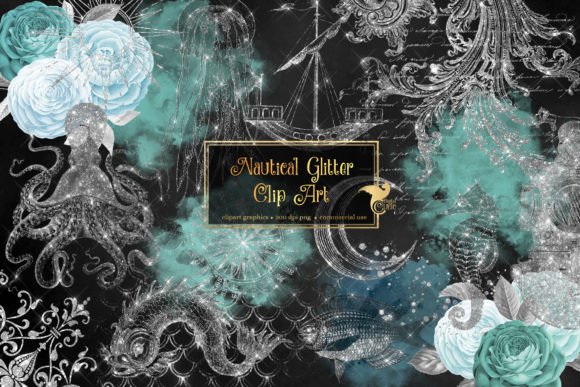
As a professional embroidery designer and product reviewer, I approach every new asset with a critical eye. When evaluating Nautical Glitter Clip Art, my first thought isn't just about how pretty the illustration looks on a screen; it is about how those digital lines will translate into physical thread. This collection of nautical illustrations carries a distinct mood that blends maritime tradition with a playful, sparkling aesthetic. For makers, Etsy sellers, and apparel decorators, this specific visual style offers unique opportunities and challenges. The "glitter" aspect implies high contrast and shine, which in the world of machine embroidery design, requires careful planning regarding stitch density and fabric choice to avoid a stiff or bulky finished product.
Translating Digital Sparkle to Physical Thread
The immediate appeal of Nautical Glitter Clip Art lies in its personality. It feels festive yet classic, making it a strong candidate for summer collections, beach weddings, or boutique children’s wear. However, as an experienced digitizer, I know that clip art labeled as "glitter" often features complex shading or gradient effects that do not stitch out well if used directly as a fill stitch. In a real-world scenario, such as preparing a custom embroidered tote bag for a coastal gift shop, I would treat these illustrations as a foundational guide rather than a direct stitch map.
If you are creating a sweatshirt embroidery project using this art, consider how the glitter effect will be achieved. Will you use metallic threads, or will you rely on high-sheen rayon? Metallic threads can break easily at high speeds and require specific needles, while rayon provides shine without the friction. The shapes in this collection likely feature anchors, sailboats, or starfish with decorative accents. These elements work beautifully as applique designs where the "glitter" portion is represented by a shiny fabric inset, bordered by a clean satin stitch. This method preserves the visual intent of the illustration while ensuring the garment remains soft and wearable, a crucial factor for customer satisfaction in the handmade product market.
Real-World Application: The Custom Tote Bag Test
To truly evaluate the utility of Nautical Glitter Clip Art, let us apply it to a practical case study: designing a premium canvas tote bag for a small shop product line. Canvas is a textured fabric that can swallow fine details. If the clip art contains tiny running stitch details meant to simulate sparkle, they may get lost in the weave of the canvas or cause excessive needle penetrations that weaken the material.
In this test scenario, I would scale the design up significantly. Small hoop sizes are generally risky for intricate glitter-style illustrations because reducing the design increases stitch density, leading to puckering. Instead, I would utilize a larger hoop size to maintain open areas within the anchor or wheel motifs. For the "glitter" highlights, I might substitute standard fill stitches with a specialized glitter heat-transfer vinyl applied after embroidery, or use a textured specialty thread. This hybrid approach respects the original illustration's vibe while acknowledging the limitations of textile construction. The result is a professional, durable tote bag that captures the nautical theme without feeling like a stiff patch glued onto fabric.
Fabric Compatibility and Stabilizer Strategy
Not all fabrics are created equal when stitching out stylized illustrations. Nautical Glitter Clip Art demands a stable foundation. If you are working on baby embroidery items like onesies or bibs, the fabric is often stretchy knit. Directly stitching a dense, glitter-inspired design onto knit without proper support will result in distortion and tunneling. You must use a cut-away stabilizer to maintain the integrity of the shape. Conversely, if applying this design to a linen tea towel or pillow cover, a tear-away stabilizer may suffice, provided the stitch count isn't excessively high.
I also advise caution when using this art on dark fabrics. Glitter clip art is typically designed with light backgrounds in mind. When inverted for navy or black apparel, the negative space becomes the focal point. You may need to adjust your thread colors to ensure the "sparkle" reads correctly against the dark background. Always test your color palette on scrap fabric first. A white satin stitch border might look crisp on blue cotton but could disappear on white linen. Understanding these interactions is what separates a hobbyist from a commercial embroidery professional.
Critical Considerations for Detailed Areas
When reviewing the finer points of this collection, pay close attention to corners and tight curves. Stylized nautical illustrations often have sharp angles on anchors or rigging lines. In embroidery, sharp corners can lead to thread buildup or perforation. As a reviewer, I look for smooth vector paths. If you are digitizing this yourself or hiring a digitizer, request that corners be slightly rounded or offset to prevent needle damage. Additionally, verify that any text included in the clip art is large enough to stitch clearly. Tiny lettering combined with glitter effects is a recipe for illegibility. If the text is smaller than 4mm, consider replacing it with block letters or removing it entirely to preserve the design's clarity.
Commercial Viability and Brand Consistency
For Etsy sellers and creative entrepreneurs, Nautical Glitter Clip Art represents more than just a pretty picture; it is a potential revenue stream. However, before listing any finished product or digital embroidery file, you must confirm the licensing terms. Does the license allow for commercial use on physical goods? Can you sell the digitized files, or only the end products? Protecting your business means respecting intellectual property.
Beyond legality, consider brand consistency. Does this glittery nautical aesthetic align with your existing shop identity? If your brand focuses on minimalist, matte-finish organic cotton, this high-shine illustration might feel disjointed. However, if you specialize in resort wear, personalized gifts, or holiday embroidery, it fits perfectly. Use printable mockups to visualize how the design looks on various products before committing to production. Showing customers a realistic preview builds trust and reduces return rates. Remember that buyers engage with professionalism; a cohesive collection featuring this clip art across aprons, caps, and nursery decor suggests a curated brand experience rather than a random assortment of designs.
Designer Notes for Successful Execution
Before you load your hoop, run through this practical checklist to ensure your project succeeds:
- Test Stitch First: Never run a new design on a final product without testing on similar scrap fabric. Check for registration issues between the glitter accents and the base outlines.
- Evaluate Stitch Density: Glitter effects can imply heavy coverage. Ensure your total stitch count is appropriate for the fabric weight to avoid bulletproof patches.
- Check Contrast: View your digital embroidery file in grayscale. If the glitter details vanish without color, the design lacks sufficient structural definition.
- Verify Hoop Size: Ensure the design fits comfortably within your hoop with adequate margin for stabilization. Crowding the hoop edges leads to alignment failures.
- Inspect Licensing: Double-check whether you can use the art for both personal projects and commercial sales. Documentation is key for business safety.
- Needle Selection: If interpreting the glitter effect with metallic thread, switch to a Metafil or topstitch needle to prevent shredding.
Nautical Glitter Clip Art offers a vibrant starting point for summer and coastal embroidery projects. By treating the illustration as a design blueprint rather than a rigid template, and by respecting the physics of thread and fabric, you can transform these digital assets into high-value, tangible goods. Whether you are crafting a personalized gift for a sailor or stocking your online boutique with seasonal apparel, success lies in the thoughtful translation of screen-based sparkle into stitch-based reality. Always prioritize wearability and durability alongside aesthetics, and your customers will appreciate the quality of your craftsmanship long after the initial shine catches their eye.