Zebra Watercolor: An Embroidery Designer’s Review
When evaluating a new machine embroidery design for professional or commercial use, the first question is never just about aesthetics. It is about translation. How does a digital illustration convert into physical thread? As a designer who regularly tests files for client projects and shop inventory, I approached the Zebra Watercolor design with a critical eye toward its stitchability and market viability. This review breaks down how this specific artwork performs when moved from screen to fabric, focusing on practical application for makers, Etsy sellers, and apparel decorators.
First Impressions and Artistic Translation
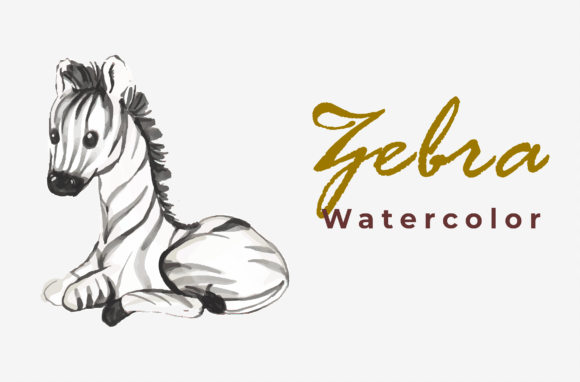
The Zebra Watercolor file falls squarely within the Illustrations category, offering a soft, organic aesthetic that differs significantly from traditional cartoon or rigid line-art zebra designs. The watercolor style implies fluid edges, color blending, and a lack of harsh outlines. For an embroiderer, this presents both an opportunity and a technical challenge. Visually, the mood is gentle and modern, making it immediately suitable for nursery decor, boutique children’s wear, and feminine accessories. However, watercolor effects in embroidery rely heavily on fill stitch layering and precise thread colors. Unlike a simple outline design, this artwork requires the machine to replicate the transparency and gradient of paint. My initial assessment suggests this design will shine best when treated as a mixed-media piece or when digitized with specialized shading techniques rather than standard flat fills.
Real-World Application: The Custom Tote Bag Test
To truly judge the utility of Zebra Watercolor, I mentally prototyped it for a high-demand item in my shop: a natural canvas tote bag. Canvas provides a stable base but has a distinct fabric texture that can interfere with fine details. In this scenario, the design serves as the centerpiece of a personalized gift or a ready-to-sell retail product.
For a tote bag project, the placement is typically center-chest or lower-center. The watercolor style works beautifully here because the slightly rough weave of the canvas complements the painterly vibe of the zebra. However, I would advise against using this design edge-to-edge without a border or framing element. Watercolor illustrations often have soft, fading edges that can look unfinished on raw canvas if not anchored by a satin stitch frame or complementary text. If you are creating a tote bag design for sale, consider pairing the zebra with a minimalist monogram in a running stitch to balance the visual weight. This combination increases the perceived value of the handmade product and justifies a higher price point for customers browsing craft fairs or online listings.
Fabric Compatibility and Stabilizer Strategy
Not all fabrics welcome the complexity of a watercolor illustration. Through experience with similar digital assets, I have found that success depends entirely on your stabilization strategy and fabric choice.
- Cotton and Linen: These are ideal candidates. The tight weave supports the density required for color blending. Use a medium-weight cutaway stabilizer to prevent puckering around the shaded areas.
- Stretchy Knits and Sweatshirts: Proceed with caution. A sweatshirt embroidery project using this design requires heavy-duty cutaway stabilizer and potentially a topping. The loose loops of fleece or french terry can swallow fine watercolor details, making the zebra look muddy. Always test on a scrap of the exact garment first.
- Sheer or Lightweight Fabrics: Avoid unless using a wash-away stabilizer completely. The stitch density needed to create a watercolor effect is often too heavy for voile or light cotton lawn, leading to tearing or distortion.
- Dark Fabrics: Watercolor designs are typically optimized for white or light backgrounds. Stitching Zebra Watercolor on black navy requires significant modification, such as adding a white underlay base, which changes the hand-feel and drape of the fabric.
Technical Considerations for Small Business Owners
For those running a craft business or selling on Etsy, efficiency and consistency are paramount. Before listing a finished product featuring Zebra Watercolor, verify the following technical aspects of your specific embroidery file:
- Hoop Size Verification: Ensure the design fits your hoop with adequate margin. Watercolor designs often have irregular boundaries. Do not assume a 4x4 hoop is sufficient just because the bounding box says so; check the actual stitch spread.
- Stitch Density Check: Open the file in your editing software. If the fill stitches are too dense, the fabric will become bulletproof and stiff. If they are too sparse, the watercolor illusion fails. Adjust density based on your target fabric.
- Color Change Optimization: Watercolor effects can involve dozens of color stops. For commercial embroidery, time is money. Evaluate if colors can be merged or if the design uses a gradient technique that minimizes trims and jumps.
- Licensing Confirmation: Before selling items or using the image in printable mockups, confirm the license terms. Some illustration licenses allow for physical products but restrict digital redistribution or mass production.
Where to Exercise Caution
While Zebra Watercolor is versatile, it is not universal. I would hesitate to use this design on structured caps or hats. The curved surface and limited stitching area of a cap make it difficult to maintain the registration necessary for smooth color gradients. Similarly, avoid placing this design over seams, pockets, or thick collars. The uneven surface will cause needle deflection and ruin the delicate shading.
Additionally, be mindful of washing instructions for any baby embroidery or kitchen textiles made with this design. Watercolor-style fills can sometimes snag more easily than solid satin columns due to the varied stitch lengths. Always include care cards with your personalized gift or retail item, recommending gentle cycles and air drying to preserve the integrity of the illustration.
Enhancing Product Value and Customer Trust
The ultimate goal of reviewing and testing Zebra Watercolor is to ensure it adds value to your brand. A well-executed watercolor embroidery signals professionalism. It tells the buyer that you understand texture, art, and machine limitations. When photographing your work for Etsy seller listings, capture the texture of the stitches in natural light. Show close-ups where the thread sheen mimics the wet-on-wet look of the original painting. This transparency builds trust.
If you are using this design for holiday embroidery or seasonal merchandise, consider how the color palette aligns with current trends. The neutral tones of a zebra allow for easy customization with seasonal accents—adding a gold ribbon for Christmas or pastel flowers for spring—without altering the core design assets. This adaptability makes Zebra Watercolor a smart investment for makers looking to maximize the ROI of their digital library.
Final Designer Notes for Makers
Before you hoop up for a final production run, treat Zebra Watercolor like any professional asset. Run a sew-out on the exact material you intend to sell. Compare the result against your screen preview. Does the personality of the zebra survive the digitization? Is the contrast sufficient for visibility at a distance? Does the back of the embroidery feel comfortable against skin?
This design holds immense potential for custom apparel, nursery blankets, and unique patches, provided it is respected as a complex illustration rather than a simple logo. By paying attention to stabilization, fabric choice, and stitch integrity, you can transform this digital file into a tangible, high-quality product that resonates with customers and stands out in a crowded handmade marketplace. Always prioritize the quality of the finished product over speed, and let the unique character of the Zebra Watercolor guide your creative decisions.