Watercolor Horse Clipart: An Embroidery Review
As a designer who spends more time behind an embroidery machine than a computer screen, I approach digital illustrations with a healthy dose of skepticism. Beautiful artwork on a monitor does not always translate to beautiful stitches on fabric. When evaluating Watercolor Horse Clipart with Flowers for real-world production, my first question is never about the aesthetic alone; it is about translatability. Can this design survive the transition from pixel to thread? After reviewing this specific illustration, I see significant potential for makers and small business owners, provided you understand how watercolor aesthetics interact with needle and thread.
First Impressions and Emotional Resonance
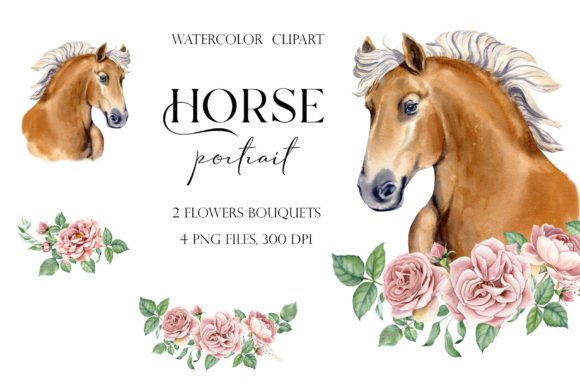
The immediate mood of this Watercolor Horse Clipart with Flowers is soft, nostalgic, and organic. Unlike rigid vector art or cartoonish clipart, the watercolor style implies movement and gentleness. For an embroidery designer, this suggests a departure from heavy satin stitch borders and dense fill areas. The visual personality here leans toward cottagecore, nursery decor, and equestrian elegance. It feels like a design that belongs on natural fibers rather than synthetic performance wear. When I look at the layout, the integration of floral elements with the equine subject creates a natural frame, which is excellent for centering in a hoop without needing additional decorative borders.
Real-World Application: The Custom Tote Bag Test
To truly judge this asset, I mentally placed it into a current client project: a custom canvas tote bag for a boutique horse rescue fundraiser. This scenario tests both durability and visual appeal. Canvas is a textured fabric that can swallow fine details, so the watercolor effect needs to be interpreted through stitch density carefully. In this application, the Watercolor Horse Clipart with Flowers serves as a centerpiece that elevates a simple utility item into a keepsake.
For this tote bag project, I would avoid trying to replicate the exact watercolor bleed with thread. Instead, I would use the illustration as a guide for color blending using variegated threads or strategic shading with fill stitches. The flowers provide necessary anchor points for registration, ensuring the horse doesn't float aimlessly on the bag. Customers reacting to this finished product are likely seeking warmth and sentimentality, not photographic realism. The design succeeds here because it invites emotional connection, making it ideal for fundraising merchandise, personalized gifts, or Etsy listings targeting equestrian enthusiasts.
Navigating Fabric Choices and Stabilization
While versatile, this illustration demands respect for fabric physics. Watercolor styles often rely on subtle gradients that can disappear on high-pile textures or stretch excessively on knits. Here is how I evaluate placement across different mediums:
- Sweatshirt Embroidery: Fleece and French terry are stable but thick. Use a cut-away stabilizer to prevent the design from sinking. The soft edges of the horse clipart pair beautifully with the casual drape of a sweatshirt, but keep stitch density moderate to avoid a bulletproof patch effect.
- Baby Clothes and Onesies: This is a prime use case for Watercolor Horse Clipart with Flowers. However, baby skin is sensitive. You must use a lightweight tear-away or wash-away stabilizer and ensure the back of the embroidery is covered with a soft backing. Reduce stitch count where possible to maintain fabric flexibility.
- Tea Towels and Linens: Woven cottons show off detail best. This is where the floral accents can really shine with crisp running stitches or redwork-style outlines. The absorbency of the fabric complements the watercolor theme visually.
- Caps and Curved Surfaces: Proceed with caution. The vertical height of a horse combined with flowers may exceed the safe stitching area of a standard cap frame. Always test the hoop size before committing to headwear.
Technical Translation: From Screen to Stitch
A common pitfall for crafters and commercial embroidery businesses is assuming a digital file is stitch-ready. Whether you are digitizing this yourself or purchasing a pre-digitized machine embroidery design based on this art, technical scrutiny is mandatory. Watercolor edges are inherently blurry; stitches are inherently precise. Bridging this gap requires intentional digitizing choices.
If utilizing this as an applique design, the watercolor texture should inform your fabric choice for the applique layer rather than relying solely on thread to create the effect. A printed cotton with a similar watercolor wash used as the applique base, secured with a narrow satin stitch or blanket stitch, often yields superior results compared to attempting to simulate paint with thousands of fill stitches. For direct embroidery, verify that the stitch density allows for fabric breathability. Overly dense areas meant to mimic dark watercolor pools can cause puckering, especially on lighter weight fabrics. Always check thread colors against the actual fabric swatch, as screen brightness often misrepresents how matte embroidery thread will appear on textured material.
Commercial Viability and Brand Consistency
For Etsy sellers and small shop owners, Watercolor Horse Clipart with Flowers offers strong commercial viability due to its broad appeal across demographics. It bridges the gap between juvenile nursery themes and adult equestrian fashion. However, brand consistency is key. If your shop specializes in bold, neon, or minimalist line art, this soft watercolor style might feel disjointed. It fits best within brands that emphasize handmade quality, nature, vintage aesthetics, or personalized sentiment.
When creating printable mockups or digital product previews, ensure the lighting matches the softness of the design. Harsh shadows in product photography can clash with the gentle watercolor aesthetic. Furthermore, if you are selling finished products like embroidered patches or custom apparel, photograph the actual stitched sample rather than just the digital file. Buyers need to see how the thread interacts with the design to trust the quality. This transparency builds buyer engagement and reduces returns based on unmet expectations regarding texture and scale.
Essential Pre-Stitch Checklist for Makers
Before loading this design into your machine for a final project, run through this practical evaluation list. These steps separate hobbyist mistakes from professional results:
- Verify Licensing: Confirm whether your license covers commercial use for finished products, digital redistribution, or both. Never assume rights based on the image style alone.
- Test on Scrap Fabric: Always stitch out on the exact fabric type intended for the final project. A test on quilting cotton tells you nothing about how it will perform on ribbed knit or denim.
- Check Hoop Size Compatibility: Measure the design dimensions including any floral extensions. Ensure adequate margin between the design edge and the hoop wall to prevent jump stitch issues or frame strikes.
- Evaluate Contrast: View the design in black and white. If the horse blends into the background without color, the value contrast is insufficient for embroidery. Adjust underlay or outline definitions accordingly.
- Inspect Small Details: Zoom in on the floral elements and facial features. Are they defined by single running stitches that might get lost? Do they need bolder definition to read clearly from a distance?
- Confirm Stabilizer Pairing: Match stabilizer weight to both the design density and fabric stretch. When in doubt, test two options to compare drape and stability.
Final Thoughts on Design Integrity
The Watercolor Horse Clipart with Flowers is a compelling asset for the modern embroidery entrepreneur, but only when treated with technical respect. Its strength lies in its emotional softness and versatility across personalized gifts, nursery decor, and boutique apparel. By focusing on proper stabilization, thoughtful digitizing interpretation, and appropriate fabric pairing, you can transform this digital illustration into a tangible product that resonates with customers. Remember that in embroidery, the goal is not to perfectly copy the screen image, but to honor its spirit through the unique language of thread. Take the time to test, adjust, and refine, and this design will become a reliable staple in your creative arsenal.