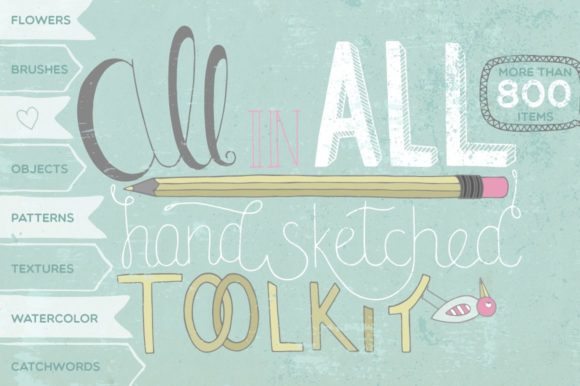
All in All 800 Elements: A Designer’s Stitch Test
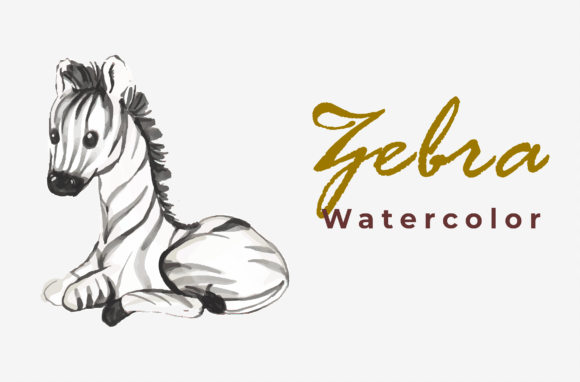
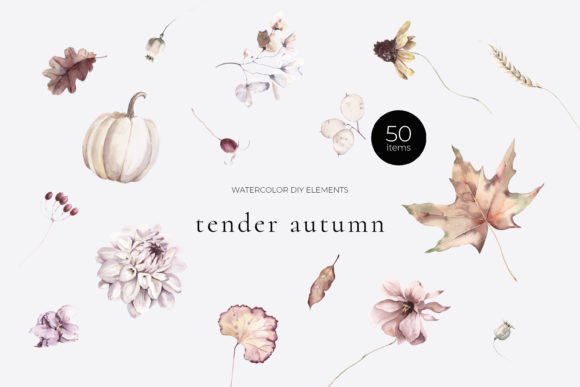
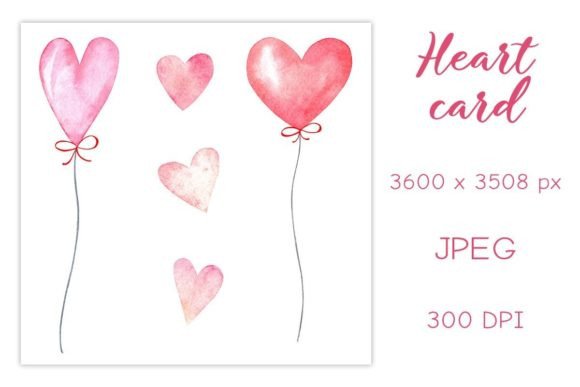
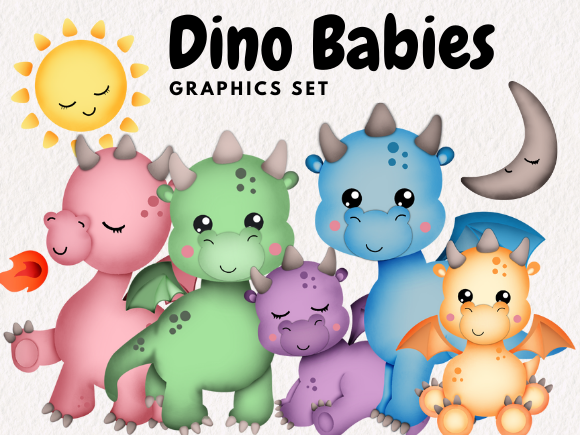
When I first opened the All in All 800 Elements collection, my immediate reaction was not just about the sheer volume of assets, but about the potential workflow efficiency it promises for a busy studio. As an embroidery designer and product reviewer, I approach large illustration packs with a healthy dose of skepticism. Quantity often sacrifices quality, leading to messy digitizing or inconsistent styles that make a finished product look amateurish. However, after spending time evaluating these elements through the lens of real-world production, I see this collection as a versatile toolkit rather than just a digital library. The mood here is adaptable; the illustrations carry a balanced visual weight that feels modern yet timeless, making them suitable for everything from boutique apparel to personalized nursery decor.
First Impressions and Visual Personality
The visual personality of All in All 800 Elements leans toward clean, illustrative versatility. In the world of machine embroidery design, "illustration" can sometimes mean overly complex artwork that translates poorly to thread. Fortunately, these elements appear to respect the limitations and strengths of textile art. The shapes are distinct without being rigid, offering a hand-drawn aesthetic that retains clarity when stitched out. For a creative entrepreneur or Etsy seller, this balance is crucial. You want designs that look intentional and artistic, not like generic clipart converted hastily into stitches. The collection feels cohesive enough to build a brand identity around, yet diverse enough to handle seasonal shifts in your shop inventory.
Real-World Application: The Custom Tote Bag Test
To truly judge the viability of this pack, I mentally applied it to a current client request: a series of custom embroidered tote bags for a local bookstore’s anniversary. Canvas totes are unforgiving; the fabric texture is coarse, and the surface area is large enough that any digitizing flaws become obvious. I selected a few botanical and typographic elements from All in All 800 Elements to create a layered composition.
In this scenario, the design elements performed exceptionally well as building blocks. Because they are individual elements rather than pre-locked compositions, I could adjust the spacing to accommodate the canvas weave. I utilized running stitch outlines for delicate details and fill stitches for broader areas to prevent the bag from becoming too stiff. This flexibility is where the collection shines for small business owners. Instead of forcing a pre-made design onto a product, you can curate a layout that fits the specific dimensions of your tote bag design. The result felt bespoke and high-end, exactly what customers expect when paying a premium for handmade products.
Performance Across Diverse Substrates
Versatility is the metric by which I judge commercial embroidery assets. All in All 800 Elements shows promise across various applications, provided you understand stitch mechanics.
- Sweatshirt Embroidery: Fleece and french terry fabrics have pile that can swallow fine details. These illustrations work best on sweatshirts when you slightly increase stitch density or add a topping stabilizer to keep the design crisp against the fuzzy texture.
- Baby Embroidery: Safety and comfort are paramount. When using these elements on onesies or blankets, ensure there are no scratchy jump stitches or dense satin stitch columns directly against the skin. The illustrative style allows for softer fill patterns that remain comfortable for infants.
- Holiday Embroidery: Seasonal merchandise requires quick turnaround. Having a library of mix-and-match elements allows you to create unique holiday cards, ornaments, or gift tags without purchasing new single-use designs every season.
- Embroidered Patches: For makers selling patches at craft fairs, these elements provide excellent base artwork. Their clear silhouettes translate well to merrowed edges and dense twill backgrounds.
Navigating Technical Limitations and Fabric Challenges
No digital embroidery file is immune to physics. While All in All 800 Elements is robust, there are specific scenarios where caution is required. If you are working with stretchy performance wear or thin knits, you must verify the stitch density. Illustrations with heavy fill areas can cause puckering on unstable fabrics if not properly supported. Always pair these designs with the correct stabilizer—cut-away for stretch, tear-away for stable wovens.
Be particularly mindful when resizing. Scaling an element down significantly may cause satin stitches to become too narrow or running stitches to disappear into the fabric grain. Conversely, scaling up might reveal gaps in fill patterns. For cap embroidery, avoid placing detailed elements near the center seam or bill curve unless you have tested the distortion. Dark fabrics also present a challenge; ensure the thread colors chosen provide sufficient contrast so the illustrative nuances aren't lost in shadow. If a design relies heavily on subtle shading, it may need editing to pop on black or navy garments.
Elevating Brand Value and Customer Trust
For Etsy sellers and shop owners, presentation is as important as the stitch-out itself. All in All 800 Elements serves a dual purpose: production asset and marketing tool. The clean aesthetic of these illustrations makes them ideal for printable mockups. Before committing thread to fabric, test your compositions in black and white mockups to evaluate balance and hierarchy. This step saves hours of ripping out stitches and ensures your digital product previews look professional.
Consistency builds trust. When customers recognize your shop’s visual language, they are more likely to return. Using a unified set of design assets like this helps maintain brand consistency across custom apparel, packaging, and social media content. It signals professionalism. Buyers can tell the difference between a haphazard collection of freebies and a curated selection of high-quality design assets. Investing in reliable resources reflects directly on the perceived value of your finished product.
Critical Notes for the Professional Maker
Before listing any item made with All in All 800 Elements for sale, adhere to these professional best practices:
- Test Stitch First: Never run a new design on a final product without a test sew-out on similar scrap fabric. Check for registration issues, tension problems, or excessive density.
- Verify Licensing: Confirm the specific license terms included with the pack. Understand whether you can sell physical finished products, digital files, or both. Respecting intellectual property is non-negotiable for sustainable business.
- Check Hoop Size Compatibility: Ensure the elements fit your machine’s hoop dimensions without requiring excessive re-hooping, which increases alignment risk.
- Thread Color Mapping: Review the color chart. Sometimes digital renderings differ from actual thread sheens. Swap colors physically to ensure the intended mood translates from screen to textile.
- Edit for Function: Don’t be afraid to modify. Remove unnecessary underlay for sheer fabrics or add extra tack-downs for applique design elements. Make the file work for your specific project needs.
Ultimately, All in All 800 Elements represents a significant resource for the serious embroidery enthusiast and business owner alike. It bridges the gap between artistic illustration and functional manufacturing. By treating these elements as raw materials to be refined through testing and thoughtful application, you can elevate your craft business offerings. Whether you are creating a personalized gift for a loved one or stocking your shelves for the holiday rush, this collection provides the foundational graphics necessary to produce work that is both beautiful and structurally sound. Remember, the best embroidery isn't just about the file you buy; it's about the expertise you bring to the hoop.