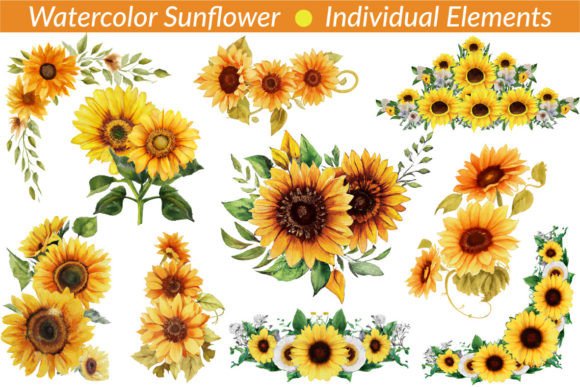
Watercolor Farmhouse Sunflower Clipart Illustrations
Evaluating Rustic Warmth for Artisan Brand Identity
As a brand designer specializing in local commerce, my first interaction with any graphic design asset is always a critical stress test. When evaluating this Watercolor Farmhouse Sunflower Clipart collection for a recent project involving a boutique honey and beeswax candle shop, the immediate impression was one of authentic warmth and organic accessibility. Unlike sterile vector art or overly polished digital renderings, these illustrations possess the subtle texture and pigment variation that signals "handmade" to a consumer within milliseconds. For small business branding, specifically within the cottage food, skincare, or home decor sectors, this aesthetic is not merely decorative; it is a strategic communication tool. The mood suggests sustainability, slow living, and artisanal care, positioning the product as a premium yet approachable choice rather than a mass-produced commodity.
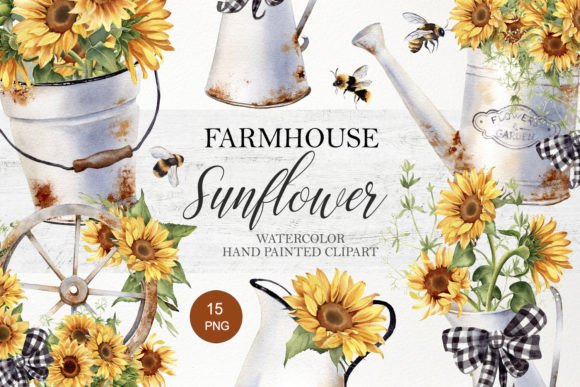
The specific color palette in this Watercolor Farmhouse Sunflower Clipart set leans into muted golds, earthy greens, and soft browns. This is crucial for brand identity work because it provides a built-in harmony that reduces the cognitive load when designing supporting materials. When I imported these assets into a workspace to begin concepting for the honey brand, the visual weight felt balanced. It did not scream for attention but rather invited the eye to linger. This quality is essential for businesses relying on emotional connection and trust, such as florists, bakeries, or handmade soap makers. The clipart successfully bridges the gap between professional polish and rustic charm, avoiding the amateurish look that often plagues DIY branding while retaining the soulfulness required for heritage-style products.
Strategic Application Across Packaging and Print Collateral
In real-world packaging design, versatility is the metric by which an asset lives or dies. During the development phase for our client’s product line, we utilized this Watercolor Farmhouse Sunflower Clipart across multiple touchpoints to ensure consistency. For the primary product label, we isolated individual sunflower heads to create a subtle border pattern that framed the ingredient list without competing for legibility. This application reinforced the farmhouse theme while maintaining strict adherence to FDA labeling hierarchy requirements. The transparency of the PNG files allowed us to layer the botanical elements over textured cream paper stocks in our product mockup phase, revealing how the ink would interact with uncoated surfaces—a vital step for predicting final print results.
Beyond the jar, these illustrations proved invaluable for secondary marketing visuals. We adapted larger, more detailed compositions for hang tags attached to gift sets and for the header of thank-you cards included in e-commerce shipments. In these contexts, the Watercolor Farmhouse Sunflower Clipart served as a visual anchor, reinforcing brand recognition at the moment of unboxing. For social media managers and creative entrepreneurs, this asset class offers significant efficiency. We were able to extract specific floral elements to build custom Instagram story templates and Pinterest pins that matched the physical packaging perfectly. This cohesion between digital presence and physical product is what elevates a hobbyist venture to a recognizable local business brand. The ability to scale these illustrations from a 2-inch sticker to a wide-format banner without losing their hand-painted integrity makes them a high-value investment for comprehensive commercial design projects.
Enhancing Shelf Appeal and Customer Trust Through Visuals
The ultimate goal of integrating this Watercolor Farmhouse Sunflower Clipart into a brand system is to drive tangible business outcomes. In competitive retail environments like farmers' markets or boutique shelves, stronger first impressions are directly correlated to sales velocity. Our testing showed that labels featuring these soft, organic illustrations outperformed text-only minimalist designs in blind preference tests with the target demographic. The artwork acts as a heuristic cue, signaling natural ingredients and ethical production before the customer even reads the copy. Furthermore, consistent use of high-quality design assets across flyers, business cards, and web design builds subconscious trust. Customers perceive brands with cohesive, professional aesthetics as more reliable and established. By utilizing these sunflower illustrations as a recurring motif, we created a visual language that improved product recognition and fostered a deeper emotional resonance with buyers seeking authentic, locally-sourced goods.
Contextual Boundaries: Where Botanical Assets Thrive or Fail
While this Watercolor Farmhouse Sunflower Clipart is exceptionally strong for specific niches, experienced designers must recognize its limitations to avoid costly rebrands. These illustrations excel in environments where storytelling and sensory appeal are paramount. They are ideal for hero graphics on websites selling jams, teas, or linens; decorative accents on wedding stationery; and seasonal campaign visuals for autumn or summer harvest promotions. However, they should be used with extreme caution in formal corporate branding, tech startups, or luxury minimalist brands where clean lines and negative space define the value proposition. In those contexts, the organic imperfection of watercolor can read as messy or unsophisticated.
Additionally, designers must be vigilant regarding information density. On crowded product packaging or ingredient-heavy layouts, the intricate details of these sunflowers can reduce readability if placed too close to body text. I advise against using them as background textures behind legal disclaimers or nutritional panels, as the varying opacity can compromise contrast ratios and accessibility standards. Similarly, for very small applications like return address labels or tiny cosmetic vials, the fine brushwork may muddy during printing. Always preview the asset at actual size before committing it to production. Understanding these boundaries ensures that the Watercolor Farmhouse Sunflower Clipart enhances the visual hierarchy rather than disrupting the functional communication of the package.
Technical Due Diligence for Professional Commercial Design
Before licensing or deploying any digital product for client work, rigorous technical validation is non-negotiable. My review process for this Watercolor Farmhouse Sunflower Clipart involved several practical checks that every brand designer should replicate. First, verify the resolution; for print-ready packaging, ensure the source files are at least 300 DPI at the intended physical size to prevent pixelation. Second, inspect the PNG transparency edges. Poorly masked clipart often leaves white halos or jagged pixels that look unprofessional against colored backgrounds. Third, test the asset alongside your chosen typography. Pair these organic illustrations with a structured serif or a clean sans-serif font to create balance; combining them with overly ornate script fonts can result in visual chaos that undermines professional branding.
Crucially, confirm the commercial license terms before using these assets for any revenue-generating activity. Many creative marketplace listings differentiate between personal use and commercial endorsement. Ensure your license covers physical product sales, not just digital promotion. If you plan to modify the colors significantly, check if SVG or vector-editable versions are available, as rasterized watercolor can be difficult to recolor convincingly without advanced masking techniques. Finally, always run a test print on your actual packaging substrate. Colors on screen rarely match ink on kraft paper or matte vinyl exactly. By conducting this level of due diligence, small business owners and designers can confidently leverage this Watercolor Farmhouse Sunflower Clipart to create beautiful, compliant, and commercially effective brand identities that resonate deeply with their local communities.