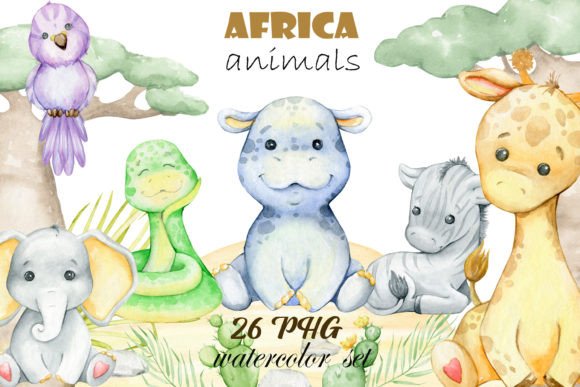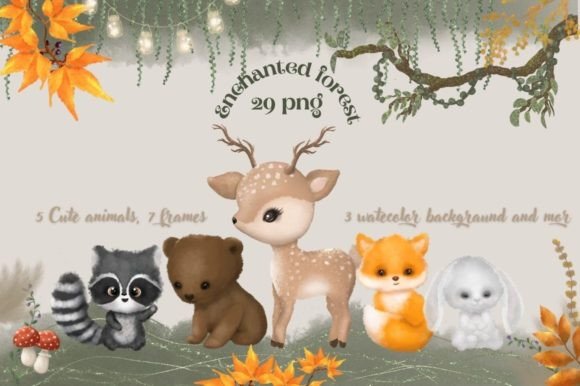
Watercolor Cute Animals Baby Clipart Illustrations
As a digital publisher and blog designer, my first interaction with any new graphic design asset is strictly analytical. Before I consider the aesthetic appeal, I look at utility, versatility, and technical performance. When reviewing Watercolor Cute Animals Baby Clipart for potential integration into real publishing workflows, the immediate impression is one of softness and approachability. This collection does not scream for attention; rather, it invites engagement through gentle visual cues. The editorial mood established here is distinctly nurturing, making it an ideal candidate for niches involving parenting, early childhood education, pediatric wellness, or family lifestyle content.
In the current landscape of web design, readers are increasingly sensitive to visual authenticity. Stock photography can sometimes feel sterile or overly commercial, whereas these watercolor illustrations introduce a handcrafted texture that builds immediate emotional rapport. For a content creator, this asset signals warmth and safety. It moves away from the bold, high-contrast aesthetics of corporate marketing and leans into a feminine, artistic, and organic visual language. This specific mood is crucial for establishing reader trust in sensitive categories where empathy matters as much as information.
Deploying Assets Across Editorial and Social Workflows
The true test of any illustration set is its adaptability across different content formats. In my workflow, I need assets that perform equally well on a desktop website header and a vertical Pinterest pin. Watercolor Cute Animals Baby Clipart excels in this cross-platform utility because the individual elements are isolated and scalable. This transparency allows for seamless layering over various background colors without the awkward white boxes that plague lower-quality PNG files.
For blog graphics and featured images, these animals serve as excellent focal points that do not compete with headline typography. When designing a hero image for a post about "Gentle Parenting Techniques" or "Nursery Decor Trends," placing a soft animal illustration to the side creates a balanced visual hierarchy. The eye is drawn to the art first, then naturally flows to the text. This is far superior to using a busy photograph where text overlays often become illegible.
Beyond standard blog posts, this asset class shines in product creation. As a digital product creator, I frequently develop lead magnets and printable design resources. These illustrations are perfect for decorating worksheets, coloring pages, or educational flashcards included in a digital guide. They add perceived value to freebies and paid products alike. Furthermore, for those utilizing Canva templates to streamline social media graphics production, having a cohesive set of clipart ensures that Instagram stories, newsletter headers, and affiliate marketing visuals maintain a consistent brand identity without requiring custom illustration work for every single post.
Enhancing Click-Through Rates and Brand Recognition
Visual communication is directly tied to content performance. A polished, professional-looking site retains visitors longer than one that appears amateurish. Integrating high-quality Watercolor Cute Animals Baby Clipart contributes to a stronger visual identity. When users scroll through a crowded Pinterest feed or a Google Discover list, the distinctive watercolor style acts as a pattern interrupt. It stands out against the sea of neon thumbnails and stock photos, potentially improving click-through potential.
Consistency breeds recognition. By using this specific style of creative design across category thumbnails, email banners, and eBook covers, publishers create a subconscious association between the art style and their brand voice. This is particularly effective for small business branding where budget constraints prevent hiring a full-time illustrator. The asset bridges the gap between affordable digital downloads and bespoke commercial design, allowing niche bloggers to punch above their weight visually.
Strategic Placement: Where Soft Art Succeeds and Struggles
While versatile, no design asset is universal. Understanding where to deploy Watercolor Cute Animals Baby Clipart is just as important as knowing how to use it. This asset works best in spaces dedicated to storytelling, education, and community building. Hero images for personal essays, article thumbnails for craft tutorials, and editorial accents in newsletters are prime real estate. The organic lines of watercolor complement serif fonts and handwritten scripts beautifully, reinforcing a traditional, storybook aesthetic that resonates with audiences seeking comfort or nostalgia.
However, caution is required in certain contexts. I would advise against using these illustrations for serious medical advice, financial planning, or high-tech reviews. The inherent playfulness can undermine authority in strictly professional or corporate environments. Additionally, be mindful of mobile responsiveness. Intricate watercolor details can get lost in small mobile thumbnails. If the primary consumption method for your audience is a smartphone, ensure the animal subjects are large enough to remain recognizable when scaled down to 150 pixels wide.
Contrast is another critical factor. Watercolors are typically light and pastel. Placing them on a white background requires careful shadow management or a subtle border to prevent them from disappearing. Conversely, placing them on dark backgrounds can make the colors pop but may alter the intended soft mood. Always preview the asset within your actual website theme before committing to a layout change.
Publisher Notes: Technical Specs and Licensing Compliance
Before adding any graphic design asset to a monetized website, due diligence is non-negotiable. From a technical standpoint, always check file sizes. High-resolution watercolor scans can be heavy. To maintain fast load times and good Core Web Vitals, compress these images properly using modern formats like WebP while retaining transparency. Test the rendering on both retina displays and standard screens to ensure the watercolor edges do not appear pixelated or jagged.
Typography pairing requires experimentation. I recommend testing these illustrations beside various font families. A clean sans-serif font provides a modern contrast that keeps the design from looking dated, while a display font can enhance the whimsical nature for special announcements. Avoid overly decorative script fonts if the illustration itself is detailed, as the combination can create visual clutter that harms readability.
Finally, verify the commercial license. For affiliate marketers and online educators selling courses or printables, confirming that you have the right to use Watercolor Cute Animals Baby Clipart in derivative works is essential. Some licenses allow for personal use only, while others permit inclusion in end products for sale. Always document your license receipt. Respecting intellectual property protects your business and supports the artists in the creative marketplace who produce these valuable resources. When used correctly, with attention to licensing and technical optimization, this asset becomes more than just decoration; it becomes a strategic tool for building a trusted, engaging, and profitable digital publication.